October 14, 2026
The installation of a generator is a crucial task that demands careful planning and execution. However, many individuals and professionals overlook essential aspects, resulting in costly and dangerous mistakes. This article aims to highlight common errors made during generator installation projects and offers comprehensive guidance on how to avoid them. It is not only a matter of technical proficiency but also thorough planning and understanding of site-specific requirements. By identifying potential pitfalls and implementing preventive measures, generator installations can achieve optimal performance and reliability.
Plan Carefully and Assess the Installation Site
Inadequate planning and site assessment is one of the predominant mistakes made during generator installation projects. Ignoring site-specific requirements can lead to a host of problems, including inefficient operation and costly modifications after installation. Every site has unique characteristics like topology, existing infrastructure, and environmental conditions that need to be factored into the planning process. Failing to account for these often results in installations that are not compatible with the operational needs or are not compliant with local regulations. A thorough site assessment lays the foundation for a tailored installation plan that ensures both functional efficiency and compliance.
Underestimating power needs is another common pitfall that directly affects the performance and reliability of the generator. A generator not only needs to meet the current electrical demands but also account for future expansions and emergency scenarios. Many planners fail to take into account peak load requirements or potential growth in operational capacity, leading to underpowered systems that cannot handle all circuits effectively. Making accurate load calculations and allowing for future growth is essential to ensure the generator system is both adequate and scalable. Proper forecasting will help avoid costly upgrades or replacements in the future.
Choose the Right Generator Type and Size
Choosing the wrong type or size of generator is a critical error with far-reaching implications. Misjudging load calculations is an often-made mistake, resulting in insufficient power supply or inefficient fuel use. For example, a generator that is too small may overheat or fail during peak demands, while an oversized generator may lead to fuel wastage and high costs. Proper calculations include both starting and running loads and should factor in all the equipment and systems the generator will support. Ensuring these calculations are accurate can prevent operational failures or excess operational costs.
Selecting an unsuitable fuel type is another potential pitfall. Different generators require different types of fuel—diesel, natural gas, propane, and more—each with unique storage and handling considerations. Failing to evaluate the availability, cost, and storage requirements of the chosen fuel can lead to operational disruptions or increased expenses. In times of emergency, fuel shortages can render even the most robust generators useless, emphasizing the importance of selecting a suitable and sustainable fuel option. Furthermore, contingencies for fuel resilience enhance reliability and reduce the risk of power outages.
Complete Electrical Connections and Grounding Properly
Improper electrical connections can undermine the entire generator installation process. Skipping a professional electrical assessment is a dangerous gamble that many opt for to cut costs. However, this can result in inaccurate installations that do not align with electrical codes, leading to malfunctions or even disasters. Relying on professional expertise to assess electrical systems ensures not only safety but also reliability in generator operation. An expert evaluation allows for the correct design and implementation of the necessary wiring layouts and components, considerably reducing the risk of faulty operations.
Poor grounding practices pose risks not only to equipment but also to personnel. Proper grounding provides a path for electrical energy to safely dissipate into the ground, reducing the risk of surges and ensuring stable operation. Incorrect grounding can lead to electrical noise, unstable power supply, or damage to both the generator and connected devices. Inaccurate transfer switch installation often accompanies poor grounding, posing serious safety risks. According to Homeland Security, backup generators have a failure rate of about 15% after 24 hours of continuous use due to maintenance issues or fuel degradation, further emphasizing the importance of proper installation.
Ensure Proper Ventilation and Generator Placement
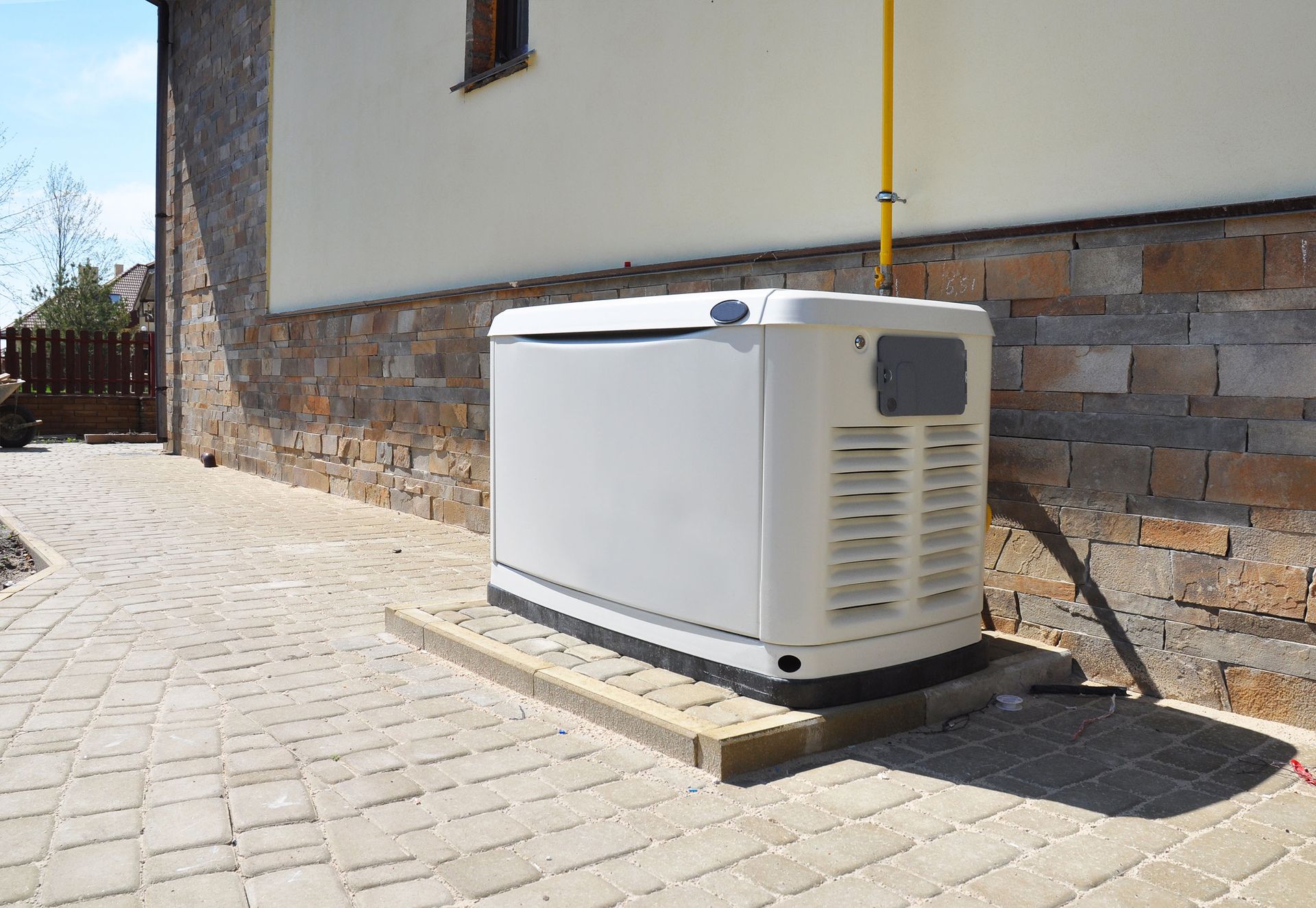
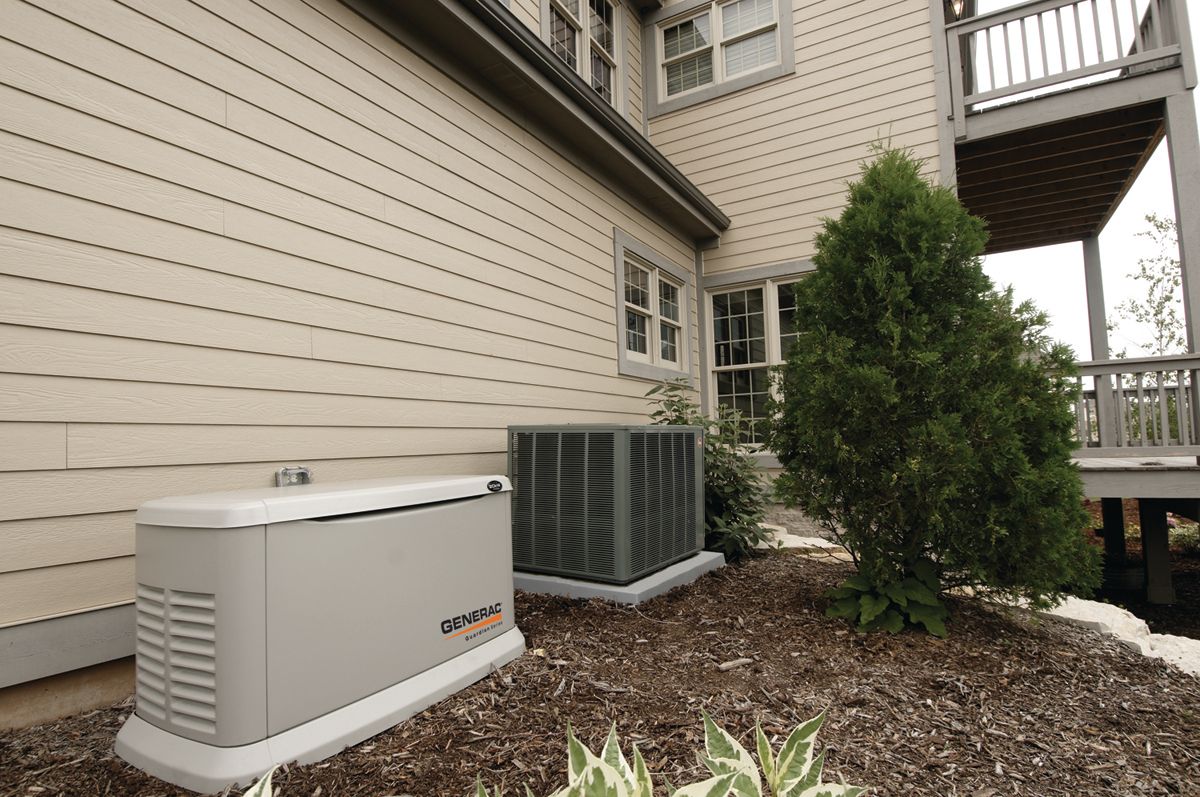
Insufficient ventilation and cooling are critical mistakes that can compromise generator performance. Overlooking ventilation requirements is a common error that can lead to system overheating and eventual failure. Proper ventilation is essential to dissipate the heat generated by the operation of the generator and keep all components functioning within safe temperature ranges. Implementing proper airflow systems and ensuring placement in areas where cooling can be maximized can prevent such failures. It is essential to prioritize both active and passive cooling solutions.
Improper placement can also lead to overheating issues. If a generator is positioned in enclosed or cramped spaces, it can accumulate heat and reduce the operational lifespan of its components. Careful consideration of the placement is needed to ensure unrestricted airflow and prevent heat from recirculating. It is also crucial to ensure that exhaust fumes are effectively expelled from confined areas to maintain safety and system integrity. Implementing high-quality exhaust systems acts as a safeguard, prolonging the lifespan of the generator.
Test and Commission the Generator Thoroughly
Inadequate testing and commissioning can render a generator installation ineffective before it even goes online. Skipping initial performance tests can lead to undetected issues that may surface under operational conditions. Initial tests verify that each component functions as expected and under the strain of actual working loads. Comprehensive testing includes not just the primary systems but also auxiliary systems that support generator functionality. Ensuring functionality at this stage reduces the risk of unexpected failures during critical operations.
Failing to conduct load bank testing is another critical oversight that can jeopardize operational reliability. Load bank testing ensures that the generator can handle its rated capacity under real-world conditions. This process identifies issues with load management, transfer switches, and fuel supply that may not be apparent under no-load conditions. Not adhering to the manufacturer’s testing protocols can invalidate warranties, lead to premature wear, and increase operational risks. Rigorously following these guidelines not only safeguards investments but provides peace of mind in system reliability.
Maintain the Generator According to Guidelines
Poor maintenance practices can drastically decrease the lifespan and reliability of a generator system. Establishing a regular maintenance schedule is crucial to keep the system operational at its peak. Lack of regular inspections can leave wear and detected issues unaddressed, leading to failures at the most inopportune times. Regular engagement with maintenance activities also provides the opportunity to implement updates and improvements suggested by the manufacturer. Following a well-structured maintenance routine ensures longevity and efficiency.
Ignoring the manufacturer’s maintenance guidelines is another oversight that can lead to avoidable breakdowns. These guidelines offer critical insights into component life expectancy, appropriate replacement cycles, and best practices for upkeep. Failure to follow these guidelines can negate warranties and increase the risk of system failures. Delayed Responses to system alerts and warnings are also common errors. Immediate response to alerts can prevent minor issues from developing into larger problems, maintaining generator reliability and reducing downtime.
By thoroughly planning, selecting the right equipment, adhering to electrical standards, ensuring adequate cooling, rigorously testing systems, and implementing effective maintenance routines, generator installation projects can be efficiently and safely executed. Recognizing and addressing these common mistakes will ensure reliability, safety, and longevity of the generator system, safeguarding investments and enhancing operational continuity. Implementing these strategies helps mitigate risks and secure operational continuity and reliability in the face of challenges. Reach out to Southern Amped Electric, LLC to learn more about our services today.