June 13, 2026
Storms, bad weather, and grid failures can leave a home without power at any time. When the lights go out, daily life becomes difficult and stressful. Food can spoil in the refrigerator, heating and cooling systems stop running, and electronic devices quickly lose their charge. To keep a household running safely, many homeowners choose to set up a permanent backup power system. According to Zipdo, around 55% of residential generators are installed as a backup during power outages. This shows how many people rely on these systems to keep their families comfortable during an emergency. Setting up a backup power unit is a major project that requires professional help. You cannot simply buy a unit and plug it into a wall yourself. The process involves generator installers working with gas lines, high-voltage electricity, and municipal rules. Knowing what to expect when the experts arrive can make the entire experience smooth and stress-free. By preparing for the steps ahead of time, you can ensure a successful setup that protects your home for a lifetime.
Planning Your Initial Site Assessment
Before any physical work can begin, the generator installers must visit your property to look at the layout and plan the setup. This starting step is essential for choosing the right size and type of backup system for your home. The technicians will look closely at your electric meter, your main electrical panel, and your fuel source. They must also measure the distance between your house and neighboring properties to comply with local safety laws and noise rules. During this visit, the specialists will help you decide where the unit should sit. The ideal location is a flat area close to both your gas line and your electric meter. It must also be far away from windows, doors, and vents to prevent exhaust fumes from entering your living spaces. The experts will also help you identify which appliances are absolutely necessary to run during a blackout, such as your refrigerator, water pump, and climate systems. This planning phase ensures that you get a system that fits your home perfectly without wasting fuel or overloading. It is a highly organized process that answers all of your questions and sets a clear plan for the rest of the installation.
Preparing Your Outdoor Ground Space
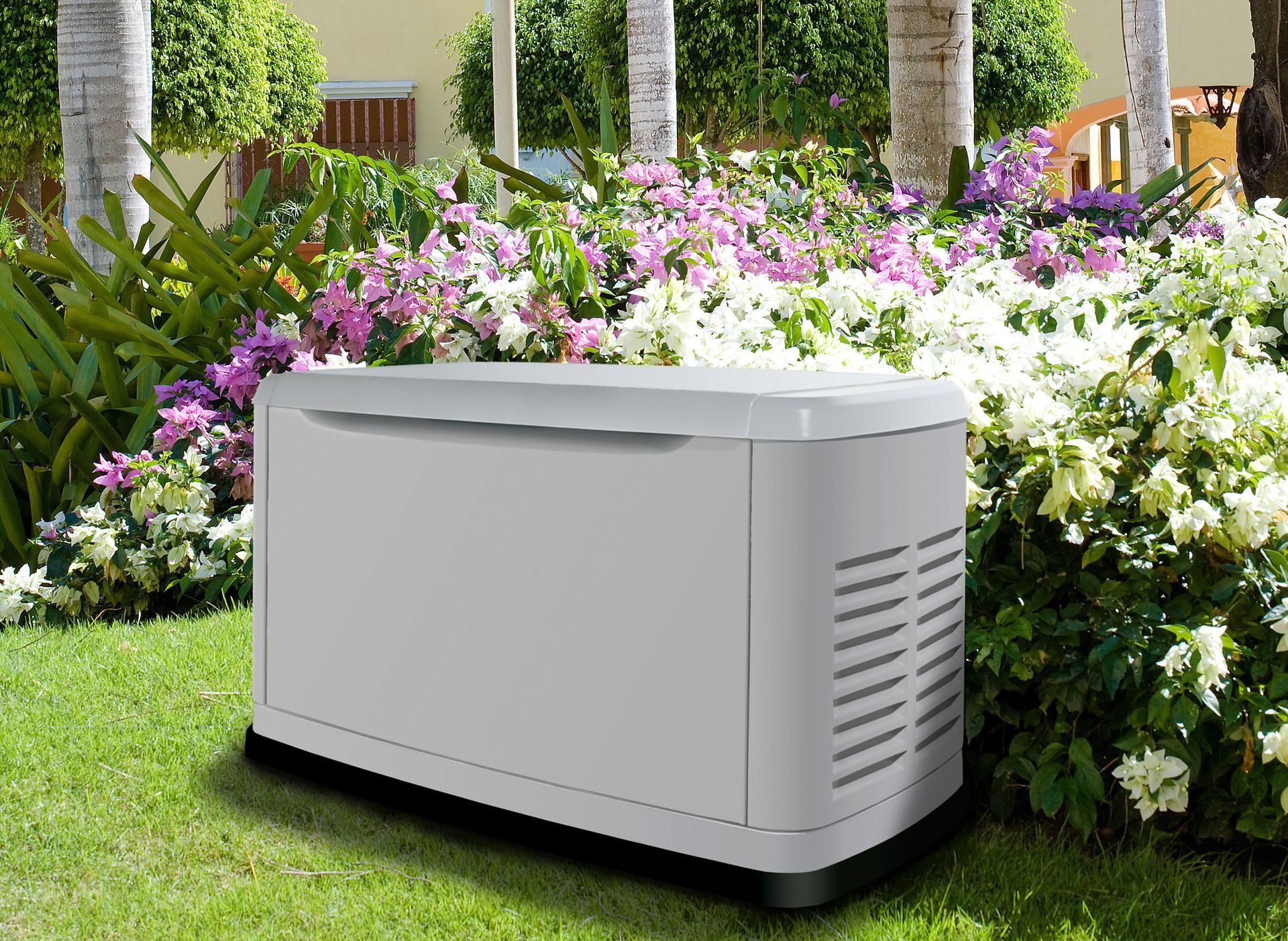
Once the plan is ready, the generator installers will return to prepare the physical ground where the unit will sit. A permanent standby system is heavy and must remain perfectly level to operate safely and quietly. If the unit sits on uneven ground, the engine can experience severe wear, and the internal fluids can settle incorrectly, leading to a mechanical failure. To prevent this, the workers will excavate a shallow area in your yard and build a flat, stable pad. In some cases, the crew will pour a solid concrete pad to support the heavy machine. In other cases, they will set up a pre-made composite pad resting on a thick layer of compacted gravel. This gravel layer is important because it allows rainwater to drain away from the unit, preventing mud from building up and protecting the metal frame from rust. The base must also sit slightly above the surrounding lawn to protect the electrical parts from standing water. Preparing this solid foundation is a critical requirement for a safe setup, ensuring that your system remains level, quiet, and protected from the elements through years of severe weather.
Installing Your Automatic Transfer Switch
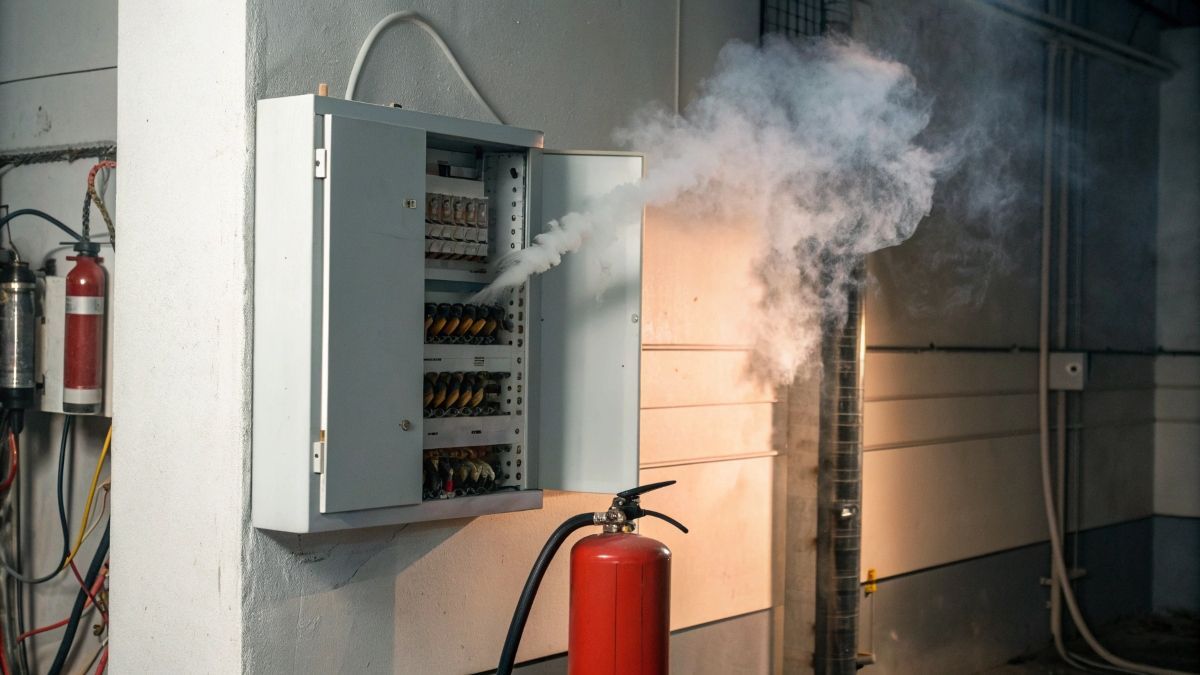
The heart of a permanent standby system is the automatic transfer switch, which acts as the brain of your home's power network. This specialized switch is mounted next to your main electrical panel, either inside your garage or on an exterior wall. Its main job is to constantly monitor the electricity coming from the utility lines in the street. When a storm knocks out the power, the switch immediately detects the loss of electricity. It safely disconnects your home from the main grid and transfers your electrical system to the backup generator. This separation is vital for safety, as it prevents electricity from traveling backward down the street lines, which could injure utility workers. Once the main power returns, the switch detects the change, shuts down the backup system, and reconnects your home to the grid seamlessly. Setting up this device involves working directly inside your main electrical box, which is highly dangerous without professional training. Having skilled generator installers handle this step ensures that your home's electrical network is wired safely, legally, and in complete compliance with local building codes.
Connecting Your Primary Fuel Line
Standby units require a continuous, reliable source of fuel to generate electricity when the main power grid fails. The most common fuel choices are natural gas and liquid propane. Both of these fuels are excellent because they do not go bad over time like gasoline, and they provide a clean, steady flow of energy. If your home has a natural gas line, the crew will connect the machine directly to your municipal gas system. This involves running a new, flexible pipe from your existing meter to the outdoor pad. The workers must make sure the gas meter is large enough to handle the extra demand of the machine, as a weak flow of gas can cause the engine to sputter and stall. If you use propane, the system will be connected to a large tank on your property. Making these fuel connections requires specialized plumbing skills to prevent dangerous leaks. The workers will test every joint and connection with soapy water or electronic detectors to ensure the system is completely sealed. Connecting the fuel lines professionally guarantees a continuous supply of clean energy, ensuring your system starts instantly when an outage begins.
Testing Your Completed Power System
After the electrical switches are mounted and the fuel lines are connected, the final stage of the process involves a thorough inspection and trial run of the entire setup. The technicians will perform a series of tests to verify that every component is operating flawlessly under pressure. They will start the machine manually to check the engine sound, monitor the electrical output, and verify that the fuel is flowing smoothly. Next, they will simulate a real blackout by turning off the main power breaker to your house. You will get to watch the automatic transfer switch detect the loss of power, start the generator, and restore electricity to your lights and appliances in a matter of moments. This live test is essential for verifying that the system can handle the electrical load of your household without overloading. The crew will also teach you how to read the control panel, explain the automatic self-test schedule, and show you how to check the oil levels. Testing the system in this detailed manner ensures that you can face any upcoming storm with absolute confidence.
At Southern Amped Electric, LLC, our generator installers are deeply committed to keeping your home safe, comfortable, and fully powered through any emergency. We understand that choosing and setting up a backup system is a major milestone for your family, and we are dedicated to providing the honest communication, detailed planning, and expert craftsmanship you deserve. Our experienced professionals will manage every step of your project, from the initial site assessment to the final system test, ensuring a safe and seamless installation that protects your household for years to come. We invite you to contact our
generator installers today to schedule your personalized consultation, and let us help you build a reliable, permanent shield that keeps your lights on, your appliances running, and your family safe during any power outage.